
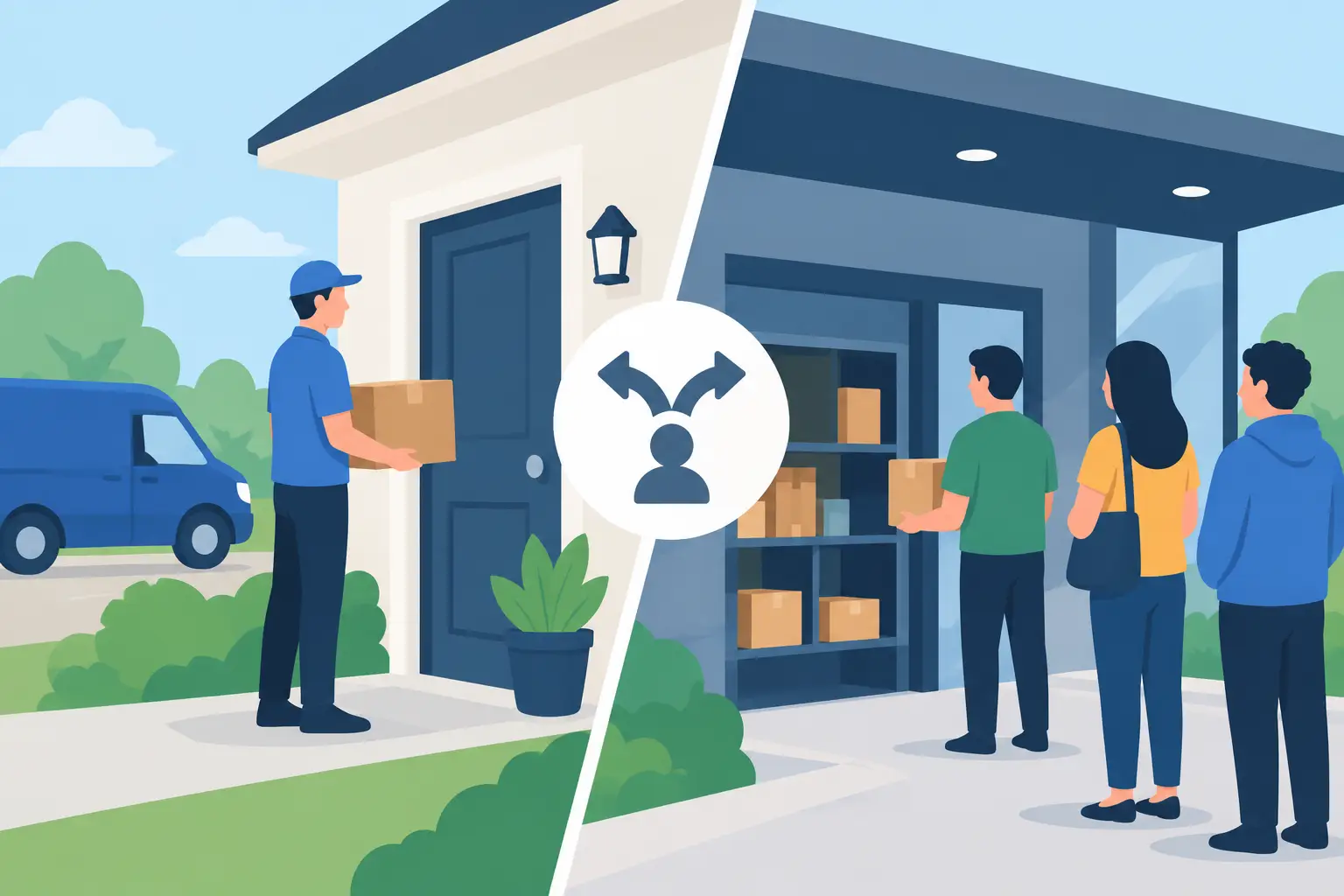
A fundraiser can look wonderfully simple on a campaign page, then become complicated when orders need to reach dozens of families. That is why the choice between direct delivery versus group pickup deserves attention before you begin sharing your campaign link. The right option can protect volunteer time, make purchasing easier for supporters, and help your organization finish the campaign on a positive note.
For many school PACs, teams, and community groups, there is no single best answer. Direct-to-home delivery works well when supporters are spread across a wide area or when volunteers have little capacity for sorting orders. Group pickup can suit a close-knit school or team community that already gathers in one place. A hybrid arrangement can also give families the flexibility they value.
What direct delivery means for your fundraiser
With direct delivery, supporters place their orders through your online campaign and have purchases sent to their home. They can share the campaign with grandparents, friends, coworkers, and relatives who may not live near your school or organization.
The biggest advantage is clear: your volunteer team does not need to receive, sort, store, and hand out individual orders. We handle online payments, order fulfillment, and customer service, so your organizers can keep their attention on promoting the fundraiser and the purpose behind it.
Direct delivery is especially practical when your supporter base extends beyond your immediate neighborhood. A relative in another city can purchase Canadian-made products for themselves or as a gift while supporting the same cause as local families. That wider reach can matter for organizations raising funds for a trip, new equipment, arts programming, or an activity that needs support from the whole community.
There is also less coordination for buyers. Supporters do not have to remember a pickup date, arrange to get to the school, or ask someone else to collect their order. For busy parents and families with changing schedules, that convenience may be the difference between intending to order and completing a purchase.
Direct delivery does not remove the need to promote your campaign. You will still get better results when you explain what the funds will support, share your campaign link more than once, and give people enough time to browse. But it does remove a major operational task from the organizer’s list.
When group pickup can be a better fit
Group pickup, sometimes called ship-to-school or ship-to-organization delivery, sends campaign orders to one central location. Your organization then coordinates local distribution to supporters.
This model often fits groups with an established gathering point and a reliable volunteer team. A school can distribute orders at dismissal, a sports team may hand them out after practice, and a community group might use a scheduled event. If most purchasers are local and already visit the pickup location regularly, group pickup can feel straightforward.
It also gives organizers a visible moment to connect with supporters. Handing out orders can be an opportunity to thank families, remind them what their purchases are funding, and build enthusiasm for the next event. For a school community, it may feel more personal than a package arriving separately at each home.
The trade-off is responsibility. Someone needs to plan where orders will be delivered, make room for them, check that orders are accounted for, communicate pickup details, and manage items that are not collected on time. Even a well-organized pickup requires a backup plan for families who are absent, working late, or unable to attend on the scheduled day.
Before choosing group pickup, be honest about your volunteer capacity. A small group of dependable volunteers can make distribution manageable. A PAC already balancing event planning, meeting schedules, and communications may decide that the extra coordination is not worth it. Neither choice is more committed to the cause. It is simply a question of matching the delivery method to the people available to run it.
Direct delivery versus group pickup: compare the real workload
The most useful comparison is not just where the products go. It is what happens after supporters click “buy.”
With direct delivery, your organization’s role is largely promotional. Create a campaign, share the link or QR code with families and supporters, and encourage them to purchase. Individual orders go to individual addresses, so there is no distribution day to manage.
With group pickup, your organization is also responsible for the local handoff. That can be a good fit when pickup naturally fits into an existing routine. It can be a poor fit when it creates extra emails, storage concerns, and last-minute volunteer requests.
Consider the experience from the supporter’s side, too. Some families appreciate picking up an order at a familiar location and may enjoy the community interaction. Others value delivery to their door because they are juggling work, childcare, transportation, or activities. Supporters outside your local area will usually find direct delivery more accessible.
There is a financial consideration as well, but it should be reviewed as part of your specific campaign setup rather than assumed. Delivery arrangements can affect the overall purchase experience, and your organization should communicate the chosen option clearly before supporters order. Clear expectations prevent confusion later.
Questions to answer before you choose
Start with your community rather than with a preferred delivery method. How far do your supporters live from the organization? How many orders do you expect to be local? Do you have a secure, practical place to receive and hold group orders? Can two or three volunteers commit to distribution on a set day?
Think about timing as well. A fundraiser connected to a holiday, tournament, or year-end event may have a tight window. Direct delivery may be easier when you do not want to coordinate a pickup event during an already busy season. On the other hand, a campaign that aligns with a school open house or regular practice schedule may give group pickup a natural home.
It helps to decide who will answer questions once orders are placed. With an online fundraiser, we handle customer service related to the order. For group pickup, your local contact should still be prepared to answer practical questions about where and when supporters can collect items.
If you choose group pickup, communicate early and often. Tell families the pickup location, expected distribution process, and what to do if they cannot attend. Keep instructions short and repeat them in the messages you use to promote the campaign. The more predictable the process feels, the easier it is for volunteers and supporters alike.
A hybrid option can serve more supporters
You do not always have to choose one approach for everyone. A hybrid arrangement can combine direct-to-home delivery with ship-to-organization options, depending on what is available for your campaign.
This can work well for organizations with a strong local base and an extended circle of supporters. Local families can select the option that suits their routine, while grandparents and friends farther away can still participate without relying on someone else to collect an order. It also gives busy households more control over how they receive their purchase.
A hybrid approach does require especially clear messaging. Explain which delivery choices are available, who should use each one, and which option requires local pickup. Avoid assuming that supporters will read every detail at checkout. Put the key information in your campaign announcement, reminders, and pickup communications.
Choose the option your volunteers can sustain
Fundraising should support your programs, not create a second full-time job for the people who care about them. The best delivery choice is the one that gives supporters a simple way to buy while keeping the workload realistic for your organizers.
With Brightraiser, you can create a campaign, share the link with families and supporters, and earn fundraising profit of up to 25% based on campaign sales. We take care of online payments, fulfillment, customer service, sales reporting, and fundraising payouts, giving your group more space to focus on the reason you are raising funds in the first place.
If direct delivery makes participation easiest, choose the convenience that respects everyone’s time. If group pickup strengthens an existing local routine and your volunteers are ready to coordinate it, make the handoff clear and welcoming. The best fundraiser is one your community can support with confidence, from the first shared link to the final order collected.