
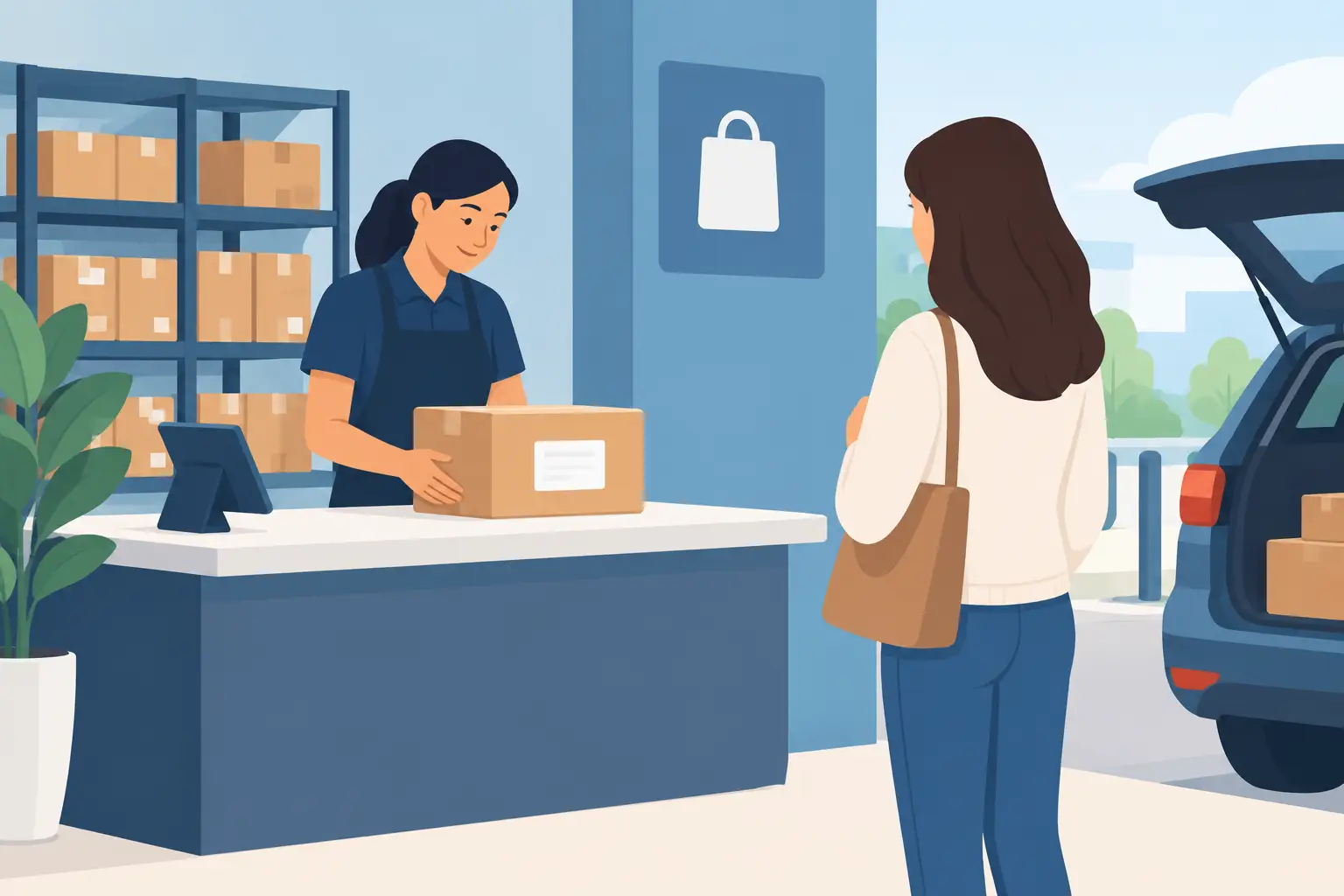
A pickup table piled with unmarked boxes can turn a successful fundraiser into a stressful afternoon fast. Knowing how to organize order pickup before orders arrive helps families get what they bought, protects volunteer time, and leaves your organization with a positive experience to build on next time.
For most school PACs, teams, and community groups, the goal is not a complicated distribution system. It is a clear plan that makes pickup easy for supporters and realistic for the volunteers running it. A little preparation goes a long way.
Start With the Delivery Plan
Pickup works best when you decide who is responsible for each part before the campaign opens. With an online fundraiser, the broader process is simple: create a campaign, share the link with families and supporters, and earn fundraising profit from eligible sales. If you choose ship-to-organization delivery, your local team also coordinates the final handoff.
At Brightraiser, we handle online payments, order fulfillment, customer service, and sales reporting. Your organization can focus on sharing the campaign and, when applicable, planning a practical local pickup process.
Before you announce pickup details, confirm where orders will be delivered, who can accept the shipment, and whether the space can securely hold boxes for a short period. A school office, gym lobby, community center, or team practice location may work well. The best choice depends on how many orders you expect, the building’s access rules, and how many volunteers are available.
Avoid choosing a location simply because it is familiar. A busy school entrance may be convenient for families but difficult during dismissal. A larger room may offer more space but require extra volunteers to direct people. Think through the trade-offs early, then choose the option that creates the fewest bottlenecks.
Set a Pickup Window Families Can Use
A short, well-staffed pickup window is often easier to manage than an all-day arrangement. Consider tying pickup to a time when families are already on site, such as after school, before a game, or during a scheduled community event.
Give supporters a specific date, start time, end time, and location. “Pickup after school” leaves too much room for confusion. “Thursday, 3:15 to 5:30 p.m., in the east gym entrance” gives families the information they need to plan.
It is also wise to decide in advance what happens to orders that are not collected. You may offer a second pickup time, arrange for a designated volunteer to hold orders briefly, or ask families to contact the organizer. Keep this policy simple and communicate it before pickup day.
Prepare Orders Before Anyone Arrives
The easiest pickup is one where each order can be found in seconds. As soon as you receive the order information and shipment, set aside time for sorting before families arrive. Do not plan to unpack, sort, and distribute at the same time unless the order volume is very small.
Create Clear Labels and Zones
Label each bag, box, or package with the purchaser’s name. If more than one family has the same last name, add a first name or another clear identifier. Place orders alphabetically whenever possible, using visible signs for letter ranges such as A-F, G-L, M-R, and S-Z.
For larger campaigns, divide the space into separate pickup zones. One table can hold A-F, another G-L, and so on. This lets families move toward the right area instead of forming one long line. It also makes it easier for volunteers to find missing orders or answer questions without stopping the entire process.
Check for partial orders, damaged packaging, or items that do not appear to match the packing information before pickup begins. If something needs follow-up, set it aside and make a note. It is much better to address an exception calmly than to discover it while a family is waiting.
Keep all orders out of public view until pickup starts. A staff room, locked classroom, or other secure space helps prevent accidental mix-ups. If the pickup location is open to the public, bring out only what you need for the event and keep a volunteer near the orders.
Build a Small, Clear Volunteer Team
You do not need a large committee to run pickup well. You do need people who know their roles. For a modest distribution, two or three volunteers may be enough: one person welcomes families and checks names, one retrieves orders, and one handles questions or directs traffic.
If you expect a high volume, add a runner or two. Runners keep the pickup tables stocked from a nearby storage area, which prevents crowding and reduces the chance that people browse through orders themselves.
Give every volunteer the same basic instructions. They should know the alphabetic layout, the pickup window, the process for unclaimed or missing orders, and who makes decisions if a problem comes up. A printed order list or simple pickup checklist can help, especially when volunteers have not worked together before.
Assign one person as the point of contact. This person does not need to solve every issue personally, but they should be easy for volunteers to find. Clear responsibility keeps small questions from becoming a group discussion at the busiest moment.
Make the Pickup Flow Easy to Follow
On pickup day, set up the space so families can understand where to go without asking. A sign at the entrance should identify the fundraiser pickup. Additional signs can show where each letter range is located and where people should line up.
Place tables so there is room for people to enter, wait, collect an order, and exit without crossing paths. This matters especially in school hallways and small entryways. If the location has one door, create a simple route that moves in one direction whenever possible.
Ask families to provide the name used for the order. That small reminder helps prevent delays when a grandparent, neighbor, or friend is collecting on someone else’s behalf. If you are checking names off a list, mark each order as collected right away.
For large or heavy orders, keep bags sturdy and have a clear area where families can briefly place items while they gather the rest of their belongings. If weather is a concern, avoid placing packages near an exterior door or in an uncovered outdoor area.
Communicate Before, During, and After Pickup
Most pickup problems begin with missing information, not missing orders. Send a reminder a few days before distribution, then send another on the morning of pickup. Use the same details each time: date, time, exact location, parking or entrance instructions if needed, and what families should do if they cannot attend.
Keep the message warm and direct. Let supporters know that their purchases help fund the activity, equipment, trip, or program your organization is working toward. A clear thank-you reinforces that pickup is not just an errand. It is the final step in a community effort.
During pickup, avoid making up policies on the spot. If an order cannot be found, take the person’s name and contact information, then let them know when they can expect an update. If someone arrives after the scheduled window, follow the plan you already communicated. Consistency is fairer to families and easier on volunteers.
After the event, review what worked. Were orders easy to locate? Was the pickup window long enough? Did families have trouble finding the entrance? Write down a few notes while the details are fresh. The next fundraiser will be easier because you will not have to start from scratch.
Plan for the Exceptions
Even organized pickups have a few surprises. A family may send another person to collect an order, someone may arrive at the wrong entrance, or an item may need customer service follow-up. The goal is not to eliminate every exception. It is to have a calm, repeatable response.
Keep a small exception area for orders that need review, along with a written note explaining the issue. Do not hand out an order if the name does not reasonably match the purchaser information. When in doubt, pause and verify rather than creating a mistake that is harder to fix later.
If your group runs regular fundraisers, save your signs, checklists, table labels, and reminder message as reusable templates. Volunteers change from year to year, but a simple pickup system can stay in place. That continuity protects your time and helps your organization keep fundraising focused on what matters: supporting meaningful opportunities for your community.
A well-organized pickup does not need to be perfect to feel professional. Give families clear instructions, give volunteers clear roles, and leave enough space for the occasional question. That is often all it takes to turn a room full of boxes into a positive final moment for your fundraiser.