
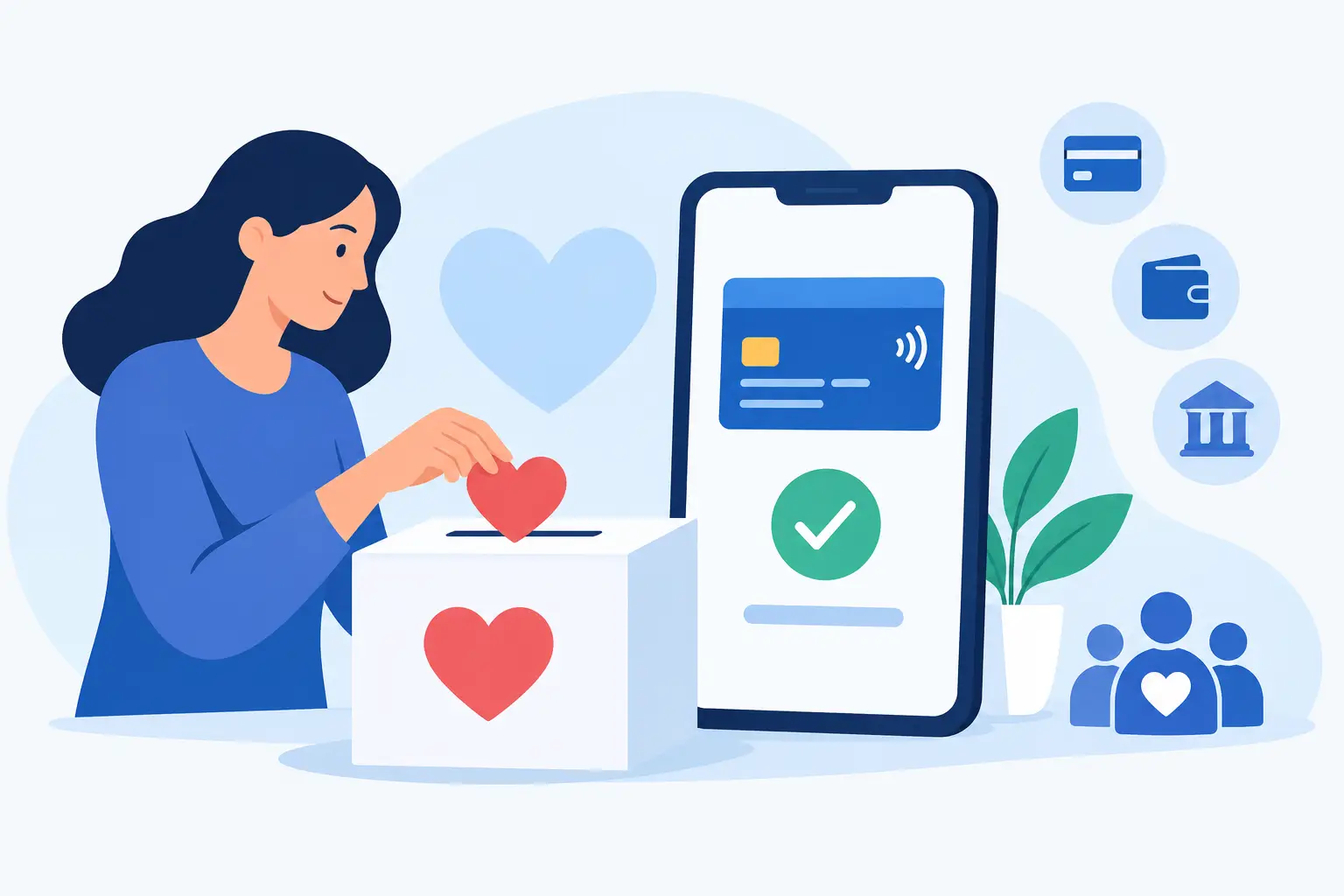
When a fundraiser depends on collecting cash, tracking e-transfers, and following up on missing order forms, the payment process can become the hardest part of the campaign. Fundraising payment processing gives families and supporters a straightforward way to buy while giving organizers fewer transactions to sort out after hours.
For school PACs, team managers, and community volunteers, that matters. Your time is better spent sharing your campaign and explaining what the funds will support than reconciling payments, chasing incomplete orders, or storing money before it can be deposited.
A well-run online fundraiser does not remove every task from an organizer’s plate. You still need to tell people why the campaign matters and share it with your community. But it can remove much of the administration that makes fundraising feel like a second job.
What fundraising payment processing should handle
Payment processing is more than the moment a supporter enters payment details online. In a fundraising campaign, it connects the supporter’s purchase to the right organization, records the order, and makes the sales information available for reporting and payout.
The right setup should be easy for supporters to understand. A parent, grandparent, neighbor, or colleague should be able to open a campaign link, choose a product, complete their order, and know that their purchase supports your group. If that process is confusing, some people will postpone buying or abandon the order altogether.
For organizers, the value is equally practical. You need a clear view of sales without manually adding up paper forms or matching payments to names. You also need to know who is responsible for customer questions, fulfillment, and delivery coordination. Those details affect volunteer workload just as much as the payment screen itself.
With Brightraiser, we handle online payments, customer service, fulfillment, sales reporting, and fundraising payouts. Your organization creates a campaign page, shares it with supporters, and earns up to 25% profit based on campaign sales. There are no setup fees, annual fees, or upfront inventory purchases.
Fundraising payment processing in three practical steps
The simplest fundraising process is one your volunteers can explain in a sentence. Create a campaign, share the link, and earn fundraising profit from supporter purchases. Each step has a purpose, and each one helps keep the campaign manageable.
1. Create a campaign with a clear purpose
Start by deciding what your organization is raising money for. It could be new sports equipment, a school activity, a youth program, travel costs, or a community project. A specific purpose gives families and supporters a reason to share and buy.
Your campaign page should make it clear who is fundraising and what purchases support. This is especially useful when supporters may not know the organizer personally. Someone shopping for a Canadian-made gift or an item for everyday use can see the connection between their order and your cause.
Before launching, choose whether the campaign will run for a defined period or remain open year-round. A fixed campaign can create a focused communications plan around a particular need. A year-round option may suit groups that want an ongoing way for their community to support them. The best choice depends on how often you can promote the campaign and what you are funding.
2. Share one easy path to purchase
The payment experience only helps if people can find it. Share your campaign link with families through the communication channels your organization already uses. A QR code can also be useful at meetings, games, concerts, or community events, where supporters may want to shop from their phone.
Keep your message direct. Name the cause, explain that supporters can shop online, and let them know how their purchase helps. Avoid asking volunteers to manage separate payment instructions, product catalogs, and order forms unless your campaign truly needs them. One clear link is easier for everyone to use and share.
Promotion is still the organizer’s most important responsibility. Online payment processing reduces administrative work, but it does not replace outreach. A few timely reminders, a message from a coach or school leader, and a share from participating families can make a meaningful difference in how widely your campaign reaches.
It also helps to think beyond immediate families. Supporters may include relatives in other communities, former team members, coworkers, and neighbors. Because they can shop online, they do not need to attend a school event or meet a volunteer in person to participate.
3. Earn profit while orders are managed online
Once supporters place orders, their purchases are recorded through the campaign. This avoids the familiar problems of cash collections: unreadable order forms, missing payments, and uncertainty over whether an order was received.
As sales come in, reporting helps organizers see campaign activity without building a spreadsheet from scratch. The organization’s fundraising profit is tied to campaign sales, with earnings of up to 25%. Since the profit level depends on sales, it is wise to frame the campaign around participation rather than promise a specific total before orders are placed.
Delivery is another area where organizers should set expectations early. Available options include direct-to-home delivery, ship-to-school or organization delivery, and hybrid arrangements. Direct-to-home delivery can reduce local handling for volunteers. Ship-to-school or organization delivery may work well for a close-knit group, but organizers coordinate local distribution in that arrangement. A hybrid approach can offer flexibility when different supporters have different needs.
Questions to ask before choosing a payment setup
Not every fundraiser has the same priorities. A small sports team planning a short campaign may prefer a simple, time-limited launch. A PAC looking for ongoing support may value an option that stays open longer. Before you commit, make sure you can answer a few practical questions.
First, ask who handles the money and the records. If volunteers must collect, deposit, and reconcile individual payments, make sure that workload is realistic. Online processing can reduce that burden by keeping purchase records connected to the campaign.
Next, ask who handles the products after an order is placed. A fundraiser is easier to run when fulfillment and customer service have clear ownership. If your group uses ship-to-school delivery, be honest about who will receive, sort, and distribute orders locally. That option can be convenient, but it is not hands-off.
Then consider supporter experience. Can a busy parent complete an order quickly? Can a relative who lives farther away participate? Are the products something people will feel good about buying for themselves, giving, or using at home? Strong fundraising products offer value to the buyer as well as support for the cause.
Finally, understand the cost structure. Upfront inventory, platform fees, and annual fees can change whether a campaign is worthwhile for a volunteer-led organization. A model without setup fees, annual fees, or inventory purchases can make it easier to start, particularly when you are testing a new fundraising idea.
Keep the payment message tied to the purpose
Supporters do not need a technical explanation of payment processing. They need confidence that their purchase is easy to place and that it helps a group they care about. Lead with the purpose: new jerseys, a student activity, a field trip, or a community program. Then give them one clear action: shop through the campaign link.
This approach respects people’s time. It also gives your volunteers a message they can repeat without having to answer questions about collecting cash or tracking individual transfers. When the buying process is clear, your community can focus on the reason the fundraiser exists in the first place.
A good campaign does not ask volunteers to become payment administrators. It gives them a practical way to invite support, keep the work organized, and put more energy toward the activities and programs their community cares about.