
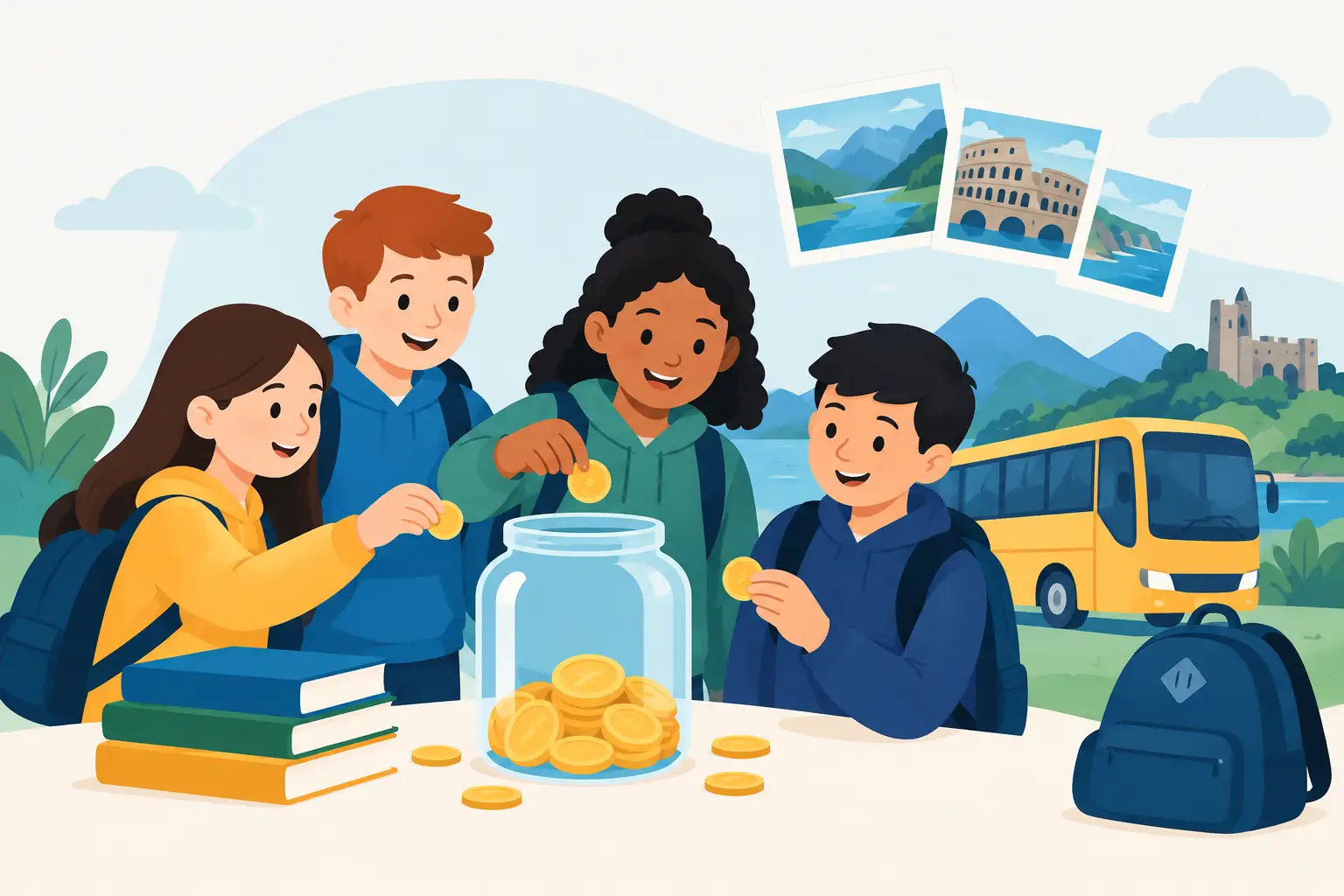
A school trip can be the moment students remember long after the bus ride home, but the cost can put real pressure on families and organizers. The best fundraising ideas for school trips do more than bring in money: they give supporters an easy way to help, fit around busy schedules, and keep the work realistic for the volunteers making it happen.
Before choosing an idea, get clear on the gap you need to cover. Include transportation, admission, accommodation, meals, supplies, and a small contingency where appropriate. Then divide that goal into manageable pieces. A $6,000 goal feels less daunting when you know what a campaign, event, or sponsorship effort needs to contribute.
12 Fundraising Ideas for School Trips
1. Run an online product fundraiser
An online fundraiser is a practical option when your parent council or trip committee has limited time for collecting cash and organizing inventory. Supporters shop through a personalized campaign page, and the organization earns a share of qualifying sales. Products that people can use at home or buy as gifts give friends and relatives a reason to participate beyond a straight donation.
With Brightraiser, you create a campaign, share the link or QR code, and earn up to 25% profit based on campaign sales. We handle online payments, order fulfillment, customer service, sales reporting, and fundraising payouts. There are no setup fees, annual fees, or upfront inventory purchases. Depending on the delivery arrangement, you may coordinate local distribution for orders shipped to the school or organization.
2. Host a community meal
A pancake breakfast, pasta dinner, taco night, or soup-and-bread lunch can bring families together while raising funds. Ask a local venue to donate space, keep the menu simple, and sell tickets in advance so you can plan quantities.
This works best when your school has an active community that enjoys gathering in person. It requires more volunteers than an online campaign, especially for food preparation, setup, cleanup, and ticket sales, so assign clear shifts before committing.
3. Offer a read-a-thon or walk-a-thon
A pledge-based activity lets students take part directly. Students can collect pledges for pages read, laps walked, or a personal challenge completed over a set period. It is especially well suited to elementary school groups because the activity can happen during the school day.
Keep the pledge process simple. A flat donation is often easier for supporters than tracking every page or lap, and it reduces follow-up for families.
4. Organize a bottle and can drive
A returnable-container drive gives neighbors a useful reason to contribute. Choose one or two collection days, arrange a safe drop-off location, and recruit volunteers with vehicles to transport returns to the depot.
The trade-off is physical work. This can be a strong add-on to another fundraiser, but it may not be the best stand-alone option for a large travel budget unless your community has a high participation rate.
5. Sell tickets for a raffle or prize draw
A prize draw can generate excitement, particularly when local businesses donate items, services, or experiences. Build a prize package around things families actually value, such as restaurant certificates, activity passes, home services, or themed gift baskets.
Check your local rules before planning this type of fundraiser. Raffles and draws may require licenses, specific ticket information, record keeping, and age-related restrictions. Make compliance someone’s defined responsibility rather than an afterthought.
6. Partner with a local restaurant night
Some restaurants offer fundraising nights where a portion of eligible sales supports a school group. The attraction is simplicity: families can have dinner, invite friends, and support the trip at the same time.
Ask for the details in writing, including the date, ordering requirements, eligible menu items, and how proceeds are calculated. A restaurant night can be easy to run, but your result depends heavily on how well you promote one specific date.
7. Hold a school talent show or variety night
A talent show turns student creativity into a community event. Sell tickets, offer simple concessions if permitted, and invite students from multiple grades to perform. A modest ticket price can still add up when families attend together.
This idea has value beyond the fundraising total. It builds excitement around the trip and gives students a visible role in supporting it. Just be realistic about rehearsal time, audiovisual needs, and supervision.
8. Create a used-book or gear sale
Ask families to donate books, puzzles, sporting goods, costumes, or gently used outdoor gear. Sort donations by category and hold a one-day sale at the school. Families appreciate an affordable chance to pick up something useful, while donated items keep costs low.
Avoid accepting everything. Set clear standards and a short list of accepted categories. Otherwise, the organizing team can end up sorting items that will not sell or require disposal afterward.
9. Seek business sponsorships
Local businesses may be willing to sponsor a school trip, especially when the trip serves a clear educational, athletic, or youth-program purpose. Prepare a short request explaining the destination, number of students, fundraising goal, and how the sponsor will be recognized where appropriate.
Sponsorship is not always fast, and businesses receive many requests. Give yourself time, keep the ask respectful, and avoid promising recognition your school or district cannot approve.
10. Run a seasonal gift-wrapping table
Gift wrapping can work well near winter holidays, graduation, Mother’s Day, or other gift-giving occasions. Set up at a school event, community market, or approved local location, and charge by item or accept donations.
This fundraiser depends on having a reliable location and enough skilled volunteers. It is most effective when paired with an existing event that already has foot traffic.
11. Offer a service day
Older students and families can raise money by offering help with yard cleanup, car washing, dog walking, technology assistance, or light household tasks. People often value practical help more than another item to buy.
Put safety first. Use adult supervision, define what services are and are not offered, and avoid tasks that require professional qualifications or create unnecessary risk. A set price or suggested donation per service keeps expectations clear.
12. Invite direct gifts for the trip fund
Some supporters simply want to contribute. A clear direct-giving option is worth including alongside every other campaign. Explain what a gift helps cover, such as transportation, museum admission, or participation support for students who need it.
Direct donations can be especially meaningful for extended family members who live far away or cannot attend events. Be transparent about whether gifts are tax receiptable before anyone assumes they are.
How to Choose the Right Mix of Fundraising Ideas for School Trips
You do not need to run all 12 ideas. In fact, too many overlapping fundraisers can exhaust families and volunteers. A stronger approach is to choose one low-lift campaign, one community-building event, and one targeted effort if there is still a gap.
Consider your timeline first. An event may need weeks of planning, while a campaign shared online can begin reaching relatives quickly. Consider your volunteer capacity next. If only three people are available to help, avoid an idea that requires sorting donations, handling cash, booking a venue, and coordinating dozens of shifts.
Also think about access. Not every family can give the same amount, attend an evening event, or ask a large network for support. Offering different ways to participate – shopping, attending, donating, volunteering, or sharing a campaign – makes the effort more inclusive.
Make Promotion Specific and Easy
Supporters respond better when they know exactly what they are helping students do. “Help send our class to the science center” is more meaningful than “support our fundraiser.” Share the fundraising goal, trip date, and a brief explanation of the learning or team experience involved.
Use the channels families already check: school newsletters, parent emails, text groups, social posts, and event announcements. Give people a ready-to-copy message they can send to relatives. A QR code at concerts, games, and school functions can also help supporters act while the trip is top of mind.
If you choose an online product fundraiser, follow three simple steps: create your campaign, share the link with families and supporters, and earn fundraising profit from eligible sales. A short launch message is helpful, but a few friendly reminders during the campaign often make the bigger difference.
Set a check-in date halfway through your fundraising period. Review progress, thank supporters, and decide whether you need to increase promotion or add one more modest activity. The goal is not to keep volunteers busy. It is to give students the chance to go, learn, compete, and make memories without turning the planning process into another full-time job.
A well-chosen fundraiser respects the people doing the work and the people being asked to help. Start with the option your group can run confidently, tell the story of the trip clearly, and give your community a simple way to be part of it.