
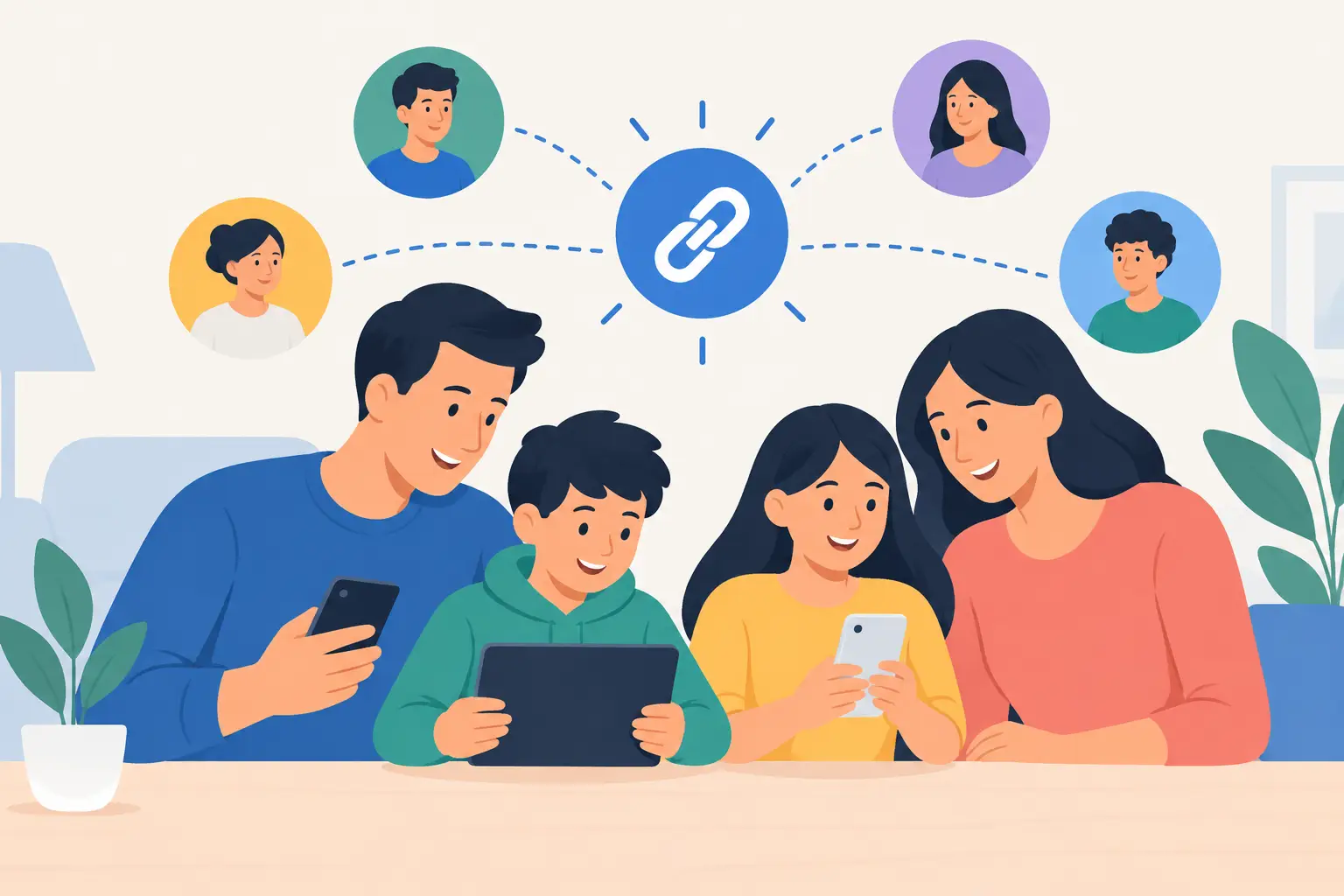
A fundraiser often gets its best momentum after the first few family purchases. So, can families share campaign links? Yes – and encouraging them to do so is one of the simplest ways to help your school, team, or community organization reach beyond its immediate circle.
A campaign link gives supporters one clear place to shop and support your cause. When a parent sends it to grandparents, neighbors, coworkers, or friends, those people can purchase directly through the campaign page. You do not have to collect paper order forms, manage cash, or chase down individual orders.
For busy volunteers, that matters. Fundraising still needs promotion, but a shareable online link gives families a practical way to contribute that does not add another big task to your list.
Why families sharing campaign links makes a difference
Most organizations begin by reaching their own members. A school Parent Advisory Council may share the fundraiser with families in each classroom. A sports manager may send it to player households. A youth program coordinator may include it in a regular newsletter.
That first audience is essential, but families usually have networks that extend much further. A grandparent may be happy to buy a gift that supports a child’s school. A neighbor may need an everyday item and appreciate knowing their purchase helps fund new equipment, activities, or programs. A parent may share the campaign at work with people looking for Canadian-made products.
One link makes that outreach easy to understand. Instead of explaining where to send money or how to place an order, a family member can say: “Shop through this page to support our organization.” The supporter chooses what they would like to buy, pays online, and the sale is credited to the campaign.
The goal is not to pressure families to become full-time fundraisers. It is to give them an optional, low-effort way to spread the word when they feel comfortable doing so.
Create a campaign, share the link, earn fundraising profit
The most manageable online fundraisers follow a simple pattern: create a campaign, share the link, and earn fundraising profit from supporter purchases.
1. Create a campaign with a clear purpose
Start by naming what the money will support. Specific causes tend to be easier for families to share because people understand the impact right away. “Help fund our Grade 6 camp,” “Support new soccer equipment,” or “Raise funds for youth programming” gives supporters a reason to participate.
With Brightraiser, organizers create a personalized campaign page for their organization. There are no setup fees, annual fees, or upfront inventory purchases. Supporters shop curated Canadian-made products online, while we handle online payments, order fulfillment, customer service, sales reporting, and fundraising payouts.
Campaigns can run for a set period or stay open year-round. A fixed campaign can work well when you are fundraising for a particular event or deadline. A year-round option may suit an organization that wants a continuing way for its community to support its work. The right choice depends on your goal and how often your volunteers can promote the campaign.
2. Share your campaign link with families
Once the campaign page is ready, send the link through the communication channels families already use. An email from the school, a team app announcement, a PAC newsletter, or a parent group message can all work well. If you have a QR code for the campaign, it can also be useful on posters, event signage, or a handout.
Keep the message brief and practical. Explain what the fundraiser supports, mention that supporters can shop online, and ask families to share the link with people who may be interested. It helps to give families words they can copy into a text or social post.
For example: “Our team is raising money for tournament costs. Shop through our fundraiser and share this link with anyone who may like to support us through a purchase.”
Families should always be free to decide who they share with. A personal message to relatives or friends is often more effective than a broad post, especially when it includes a genuine reason the cause matters to them. But a public post can still help, particularly for organizations with active local communities.
3. Earn profit from supporter purchases
When supporters shop through the campaign, the organization earns up to 25% profit, depending on campaign sales. That creates a clear exchange: supporters purchase products they can use or give, and the organization receives fundraising earnings.
This model can reduce the administrative work that comes with traditional product fundraisers. You are not taking individual payments at the door, storing boxes in a garage, or trying to reconcile handwritten forms. You can focus your time on letting your community know the campaign is available.
Delivery plans still deserve attention. Direct-to-home delivery is convenient for supporters because their orders go to them. Ship-to-school or organization delivery may be a good fit when your group has a reliable way to receive and distribute orders locally. A hybrid arrangement can offer both options. If you choose ship-to-school delivery, make sure you have volunteers, space, and a clear pickup plan before orders arrive.
Make sharing easier for families
The easier you make the request, the more likely families are to act on it. Instead of sending one announcement and hoping it travels, give people a few timely reminders and a simple reason to share.
Lead with the purpose, not just the products. A family is more likely to forward a message when they can connect it to something meaningful, such as music program supplies, a field trip, a community event, or safer equipment for young athletes. Keep the wording positive and factual. You are inviting support, not asking anyone to feel guilty.
It also helps to vary the timing. Share when the campaign opens, send a reminder midway through, and give a final note before a fixed campaign closes. For year-round campaigns, occasional updates tied to a program, season, or community event can keep the link visible without overwhelming families.
Be thoughtful about privacy as well. Families can share the public campaign link, but they should not feel expected to share personal contact lists or private details about students, participants, or donors. A general campaign message is enough.
What organizers should tell supporters
Supporters want to know three things: what they are buying, who they are helping, and what happens next. A clear campaign message answers all three without requiring a long explanation.
Let them know that they can shop online through the campaign page and that their purchase supports the organization. If your group is using a fixed campaign, include the end date. If you are using local pickup, explain that delivery choice clearly so people can select the option that works for them.
Avoid making assumptions about why someone will buy. Some supporters may be looking for gifts, while others may want useful products for their home. What connects them is that the purchase also supports a local cause and Canadian businesses.
When family sharing may need a different approach
Not every community communicates in the same way. A school with many languages spoken at home may need a short, plain-language message that can be translated or shared through multiple channels. A sports team with families spread across several communities may benefit from asking each player household to send the link directly to a few supporters rather than relying only on one social post.
For smaller organizations, a personal thank-you can also encourage continued sharing. When parents see that their efforts are noticed and that fundraising is being handled responsibly, they are more likely to participate again. You do not need to track who shared with whom. A general thank-you in your next update is often enough.
A simple ask can extend your fundraiser’s reach
Families do not need special fundraising experience to help a campaign travel. They need a clear link, a cause they understand, and a message they feel good about passing along. Create your campaign, explain what it will fund, and invite families to share the link in the ways that make sense for their community. Every purchase can help turn a small act of support into meaningful funding for the programs people care about.