
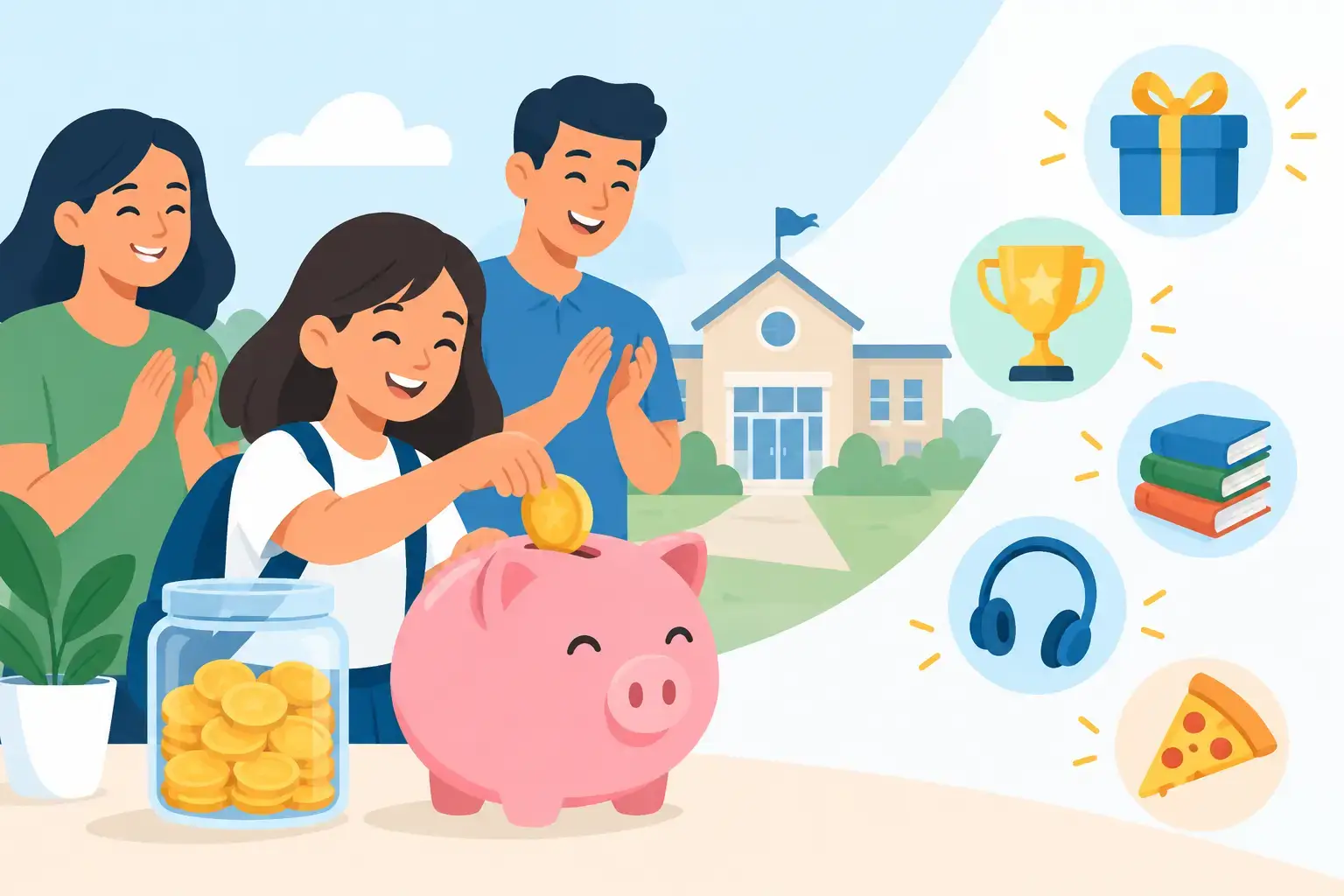
A school fundraiser can lose momentum long before the campaign ends. Families mean to share the link, volunteers plan to send one more reminder, and students may not see why their participation matters. Thoughtful school fundraiser incentives can help keep the campaign visible and encouraging – without turning fundraising into a high-pressure competition.
For PACs, parent councils, and school staff, the best incentives are simple to explain, fair to a wide range of families, and easy to manage. They should recognize effort as well as sales, because not every family has the same network, budget, or time to promote a campaign. The goal is not to make anyone feel obligated to spend. It is to give your school community a reason to share, participate, and feel connected to what the funds will support.
Start with a purpose families can picture
An incentive works better when supporters understand the outcome behind it. “Help us reach our goal” is a start, but a specific message is more motivating: new playground equipment, team uniforms, field trip transportation, library resources, or a student activity.
Before choosing a prize or recognition idea, decide what participation would look like for your campaign. You may want more families to share the campaign link, more classrooms represented, or a steady stream of orders throughout the fundraiser. That choice should guide the incentive.
For example, if your biggest need is visibility, reward sharing rather than only purchases. If you need broad participation, recognize classrooms where many families take part rather than the classroom with the highest sales. This small distinction can make a fundraiser feel more inclusive.
School fundraiser incentives that feel fair
The most effective incentives do not need to be expensive. In fact, low-cost recognition is often easier for volunteers to deliver and can feel more aligned with a school community. Aim for rewards that students value but that do not take instructional time or place financial pressure on families.
Recognize participation, not just top sellers
A classroom celebration when a participation target is met can encourage teamwork. Depending on school policies, this could be extra recess, a spirit-day privilege, a classroom game period, or a note of recognition in the school newsletter. The key is setting a goal that feels reachable and counting every participating family, not only the largest orders.
A school-wide milestone can work similarly. When the campaign reaches a set number of orders or a fundraising target, the principal might host a themed dress-up day or make a fun announcement at an assembly. Keep the reward proportional to your school’s capacity and obtain approval from school administration first.
Use a draw to level the playing field
A draw is often a better choice than a leaderboard when you want every family to have a chance. Each family that shares the campaign, places an order, or completes another clearly defined action can receive an entry. A draw can help avoid the feeling that only families with larger personal networks can win.
Be clear about the rules before the campaign starts. State what counts as an entry, when the draw closes, and what the prize is. Check your school district’s policies and any local requirements before running a draw, especially if it involves prizes or public promotion.
Celebrate classroom effort
Friendly classroom challenges can create momentum, but the structure matters. Rather than awarding a prize only to the highest-grossing class, consider recognizing the first class to reach a participation percentage or the class with the most campaign shares. This gives smaller classes and families with different circumstances a more equitable opportunity.
If you do display progress, keep it positive. A simple tracker in a newsletter or a school-approved communication channel can show milestones without ranking every class from first to last. Some schools prefer to celebrate each class as it reaches its own target.
Thank the people behind the campaign
Volunteer recognition is an incentive, too. A PAC member who organizes distribution, a teacher who shares the campaign update, or a parent who answers family questions may not want a prize. A personal thank-you, acknowledgement at a meeting, or note in the school newsletter can make their contribution visible.
This matters because sustainable fundraising depends on people being willing to help again. Recognition should be timely and specific: thank someone for coordinating pickup, creating a reminder, or helping families access campaign information.
Keep the incentive easy to administer
A complicated incentive can create more work than it is worth. If volunteers need to track individual shares across several platforms, chase down entries, and organize multiple prizes, the fundraiser may become harder to run than expected.
Choose one or two incentive ideas and write down the rules in plain language. Decide who will track participation, how often progress will be shared, and when winners or milestones will be announced. If the plan cannot be explained in a few sentences to families, simplify it.
It also helps to separate the fundraiser from the incentive. Your main message should remain focused on the program, equipment, trip, or activity being funded. The incentive is a friendly nudge, not the reason families should feel pressured to buy.
Be mindful of costs as well. A $100 prize may create excitement, but it reduces funds available for the school. Often, a donated item from a local business, a school-based privilege, or public recognition provides enough motivation without cutting deeply into fundraising proceeds. If a business contributes a prize, make sure the arrangement follows school policies and does not create an expectation that families must support that business.
Pair incentives with a clear fundraising plan
Incentives cannot replace communication. Families need to know what the campaign supports, how to participate, and what happens after they place an order. A simple online fundraiser reduces administrative tasks, but organizers still need to share the campaign consistently.
With Brightraiser, the process is built around three practical steps: create a campaign, share the link or QR code with families and supporters, and earn fundraising profit from qualifying sales. Organizations can earn up to 25% profit depending on campaign sales, while online payments, order fulfillment, customer service, and sales reporting are handled for you.
That structure gives you more time to focus on promotion and community engagement. In your first message, explain the purpose of the fundraiser and the campaign end date, if you have set one. Follow with a reminder that highlights the incentive or a progress milestone. Near the end, share one final, friendly update that thanks participants and reminds supporters of the cause.
For a year-round campaign, incentives may work best in shorter bursts. You might feature a classroom participation week in the fall, then return to the campaign before the holidays or ahead of a spring activity. This keeps communications purposeful instead of sending the same message repeatedly.
Avoid common incentive pitfalls
The wrong incentive can unintentionally discourage the people you hope to involve. Individual sales contests can be uncomfortable for families who cannot make purchases or ask others to spend money. They can also create privacy concerns if student names and sales totals are shared publicly.
Food rewards can be popular, but they may not suit every school due to allergies, dietary needs, or school wellness policies. Cash prizes may require additional approval and can shift attention away from the cause. Incentives tied to academic marks, attendance, or required school activities are also best avoided.
A good test is to ask: Can a student or family participate without spending beyond their means? Is the reward appropriate for the school setting? Can we run it without creating extra work or excluding anyone? If the answer is no, choose a simpler approach.
Make appreciation part of the experience
The strongest incentive is often the feeling that a family’s action made a real difference. After the campaign, share what happened because people participated. Let families know when funds will support equipment, a program, or an upcoming experience. Thank supporters whether they purchased, shared the campaign, volunteered, or helped spread the word.
When fundraising feels organized, respectful, and connected to a visible purpose, families are more likely to participate again. Choose incentives that make people feel included, then let the impact of their support be the reason they remember your campaign.